


Ten of dentistry's highest-caliber devices — from instant intraoral scanning to in-house 3D printing. Every treatment decision at AQUA Dent starts with precise imaging and ends with tight digital execution.
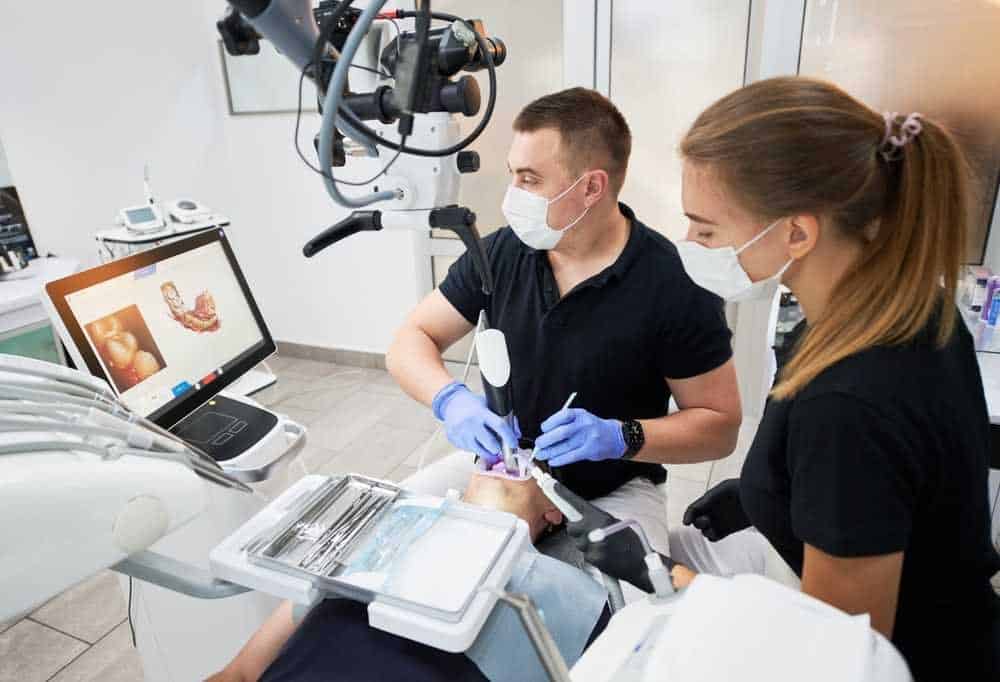
An intraoral scanner replaces traditional silicone impressions with a small wand that captures a digital 3D model in minutes — higher accuracy, more comfort, and an instant result. At AQUA Dent four complementary systems cover every specialty: Invisalign, crowns and veneers, fixed orthodontics, and digital smile design.
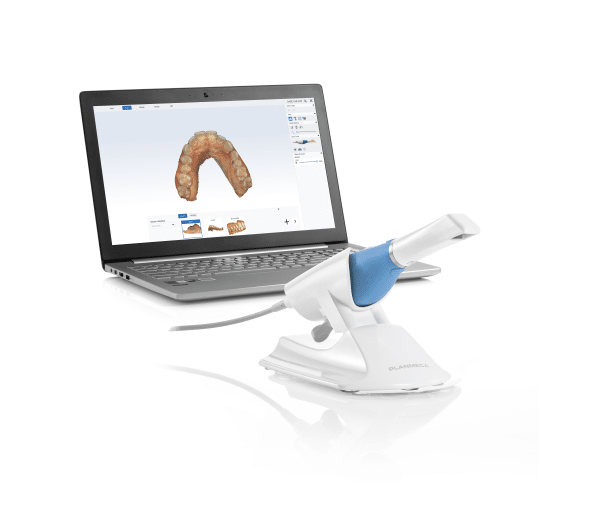
The Planmeca Emerald S — Planmeca's smallest and lightest intraoral scanner, wired directly into the Romexis digital smile-design platform, CBCT, and the Planmeca CAD/CAM workflow: a complete digital loop inside one clinic.
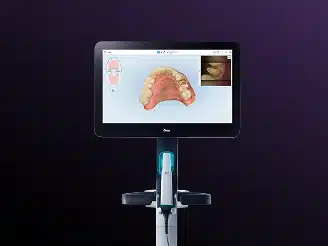
The latest iTero generation — AI-enhanced visible-light sensor, twice the scanning speed of its predecessor. Native integration with the Invisalign protocol and ClinCheck simulation platform to preview tooth movement before treatment starts.
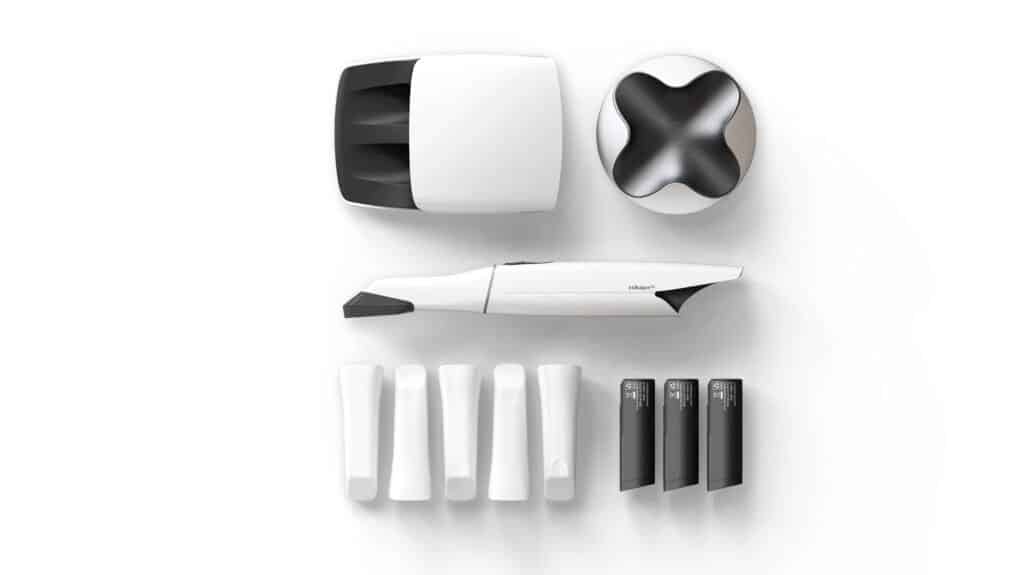
Danish scanner with built-in color and tooth-shade measurement — critical for matching veneer and ceramic crown color. Ultrafast Optical Sectioning™ technology reduces scan distortion in wet areas.
High-speed full-arch capture in under 45 seconds. Used for fixed orthodontics and multi-unit implant impressions — high throughput without compromising accuracy.
The Planmeca Viso G7 is the world's leading 3D dental imaging unit — combining panoramic, cone-beam CT, cephalometric, and a fully integrated 3D face scanner in a single machine. The 3D facial scanner is built directly into the unit — no separate stand, no external software.
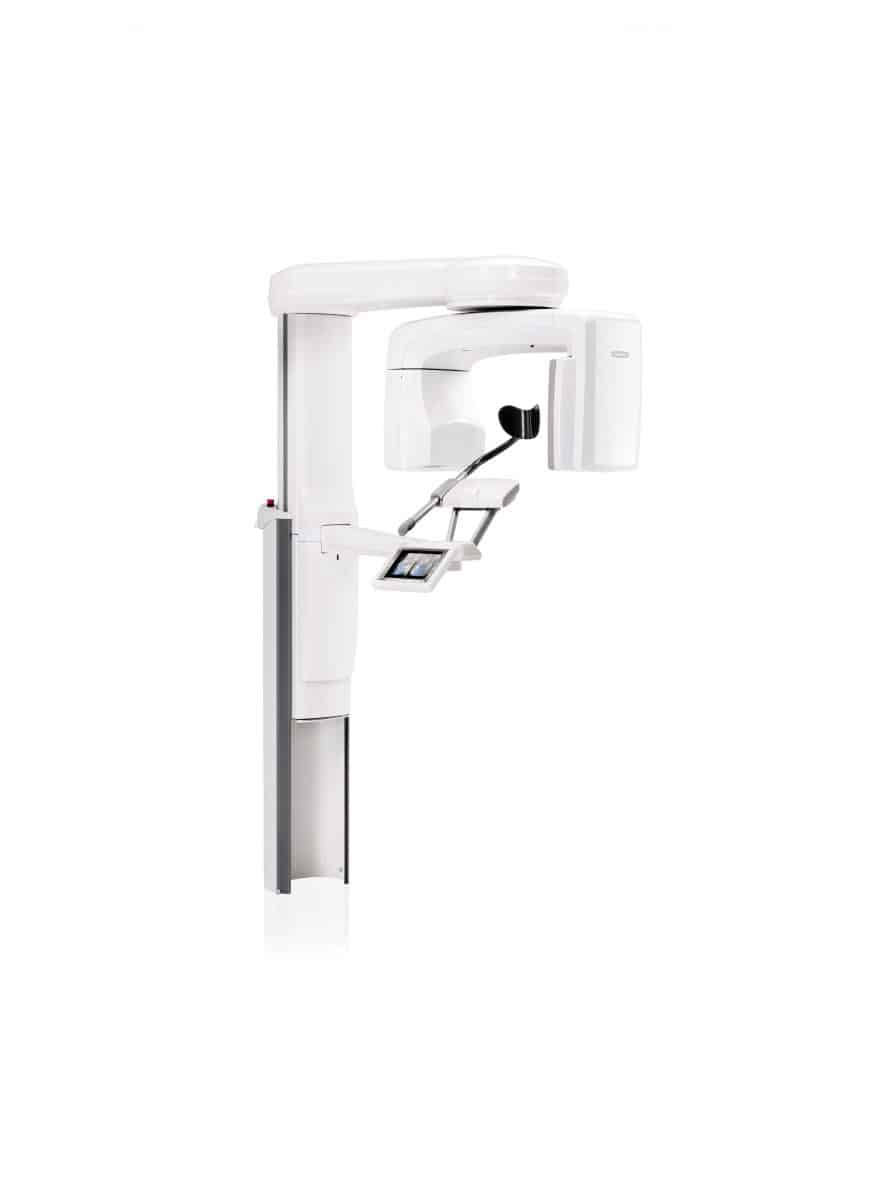
Voxel resolution down to 75 μm — reveals root canals, bone height, and nerve anatomy at a level of detail invisible on conventional X-rays. Field of view up to 30×30 cm to capture the full skull and face. The ULD™ protocol cuts radiation dose by up to 77% while preserving diagnostic accuracy.
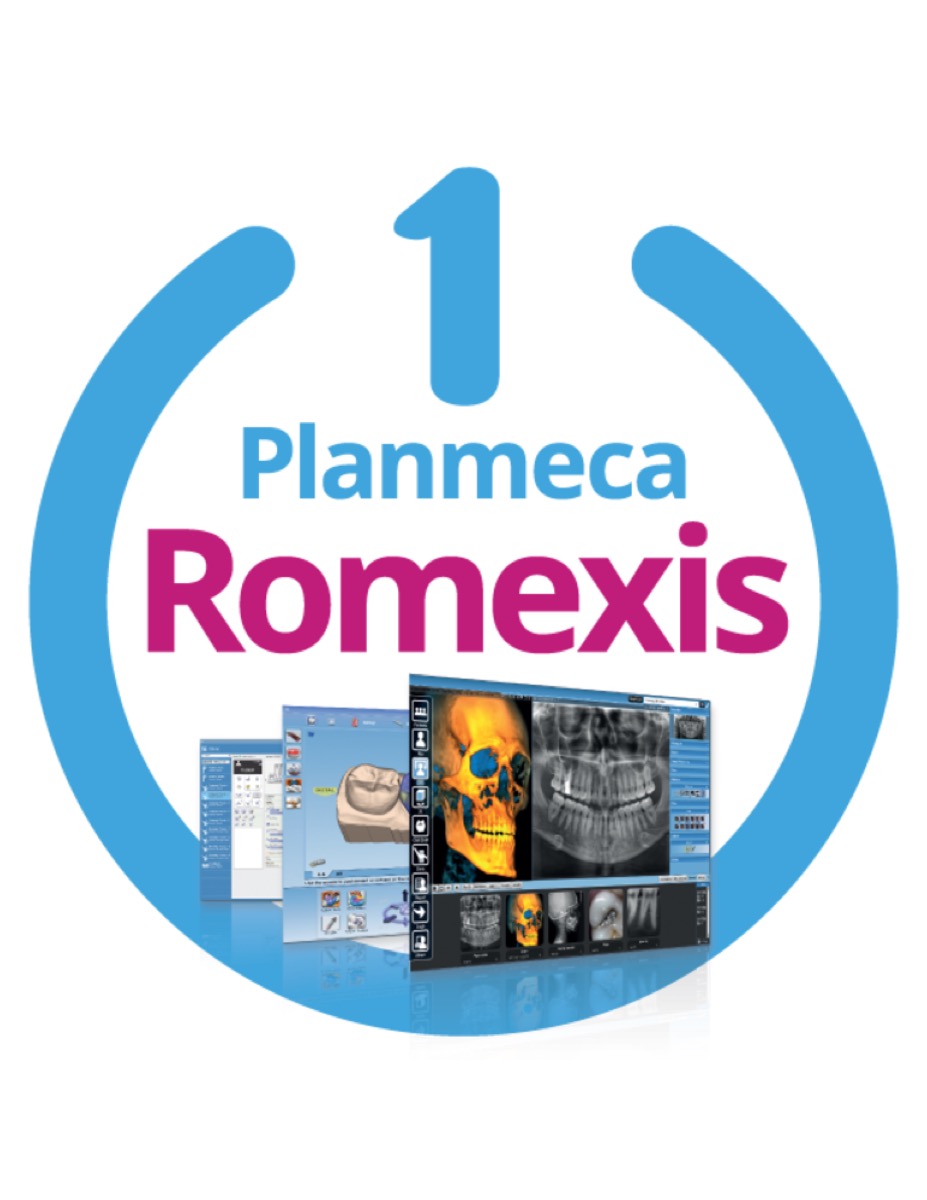
Planmeca's software that merges CBCT + intraoral scan + facial photography into a single 3D model. Enables digital smile design and cosmetic outcome simulation before any procedure begins. Also exports CAD files for in-house milling and 3D printing.
Captures the full face in 3D in the same CBCT session — no separate device, no external software. Links your smile to your actual facial features, so veneer design and anterior implant planning account for facial proportions, not isolated teeth.
An in-house CAD/CAM milling unit and 3D printer mean that many crowns, veneers, and surgical guides are fabricated in the same visit — no waiting a week or more for an outside laboratory.
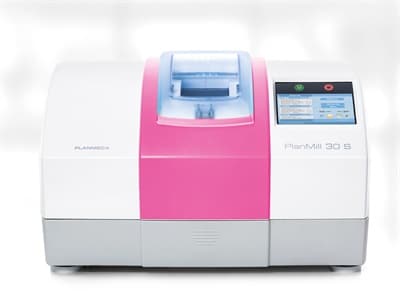
A 5-axis wet milling unit for fabricating crowns, veneers, and abutments from zirconia, ceramic, and composite blocks. Accuracy ±25 μm — a fit margin that rivals top dental laboratories. Works directly with Romexis designs, no manual file conversion.
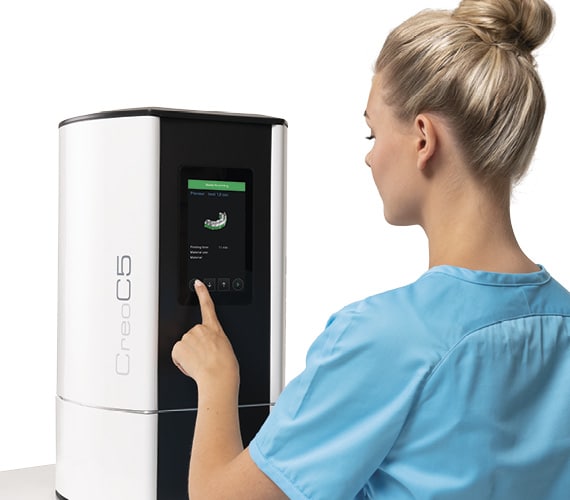
A dental SLA/DLP light-curing printer. Produces surgical implant guides, study models, night guards, and provisional crowns at 50 μm resolution. Medically certified resins — biocompatible for intraoral contact.
A dedicated surgical microscope and a dual-purpose medical laser — together they raise root canal therapy and soft-tissue surgery to the standards of major academic centers.
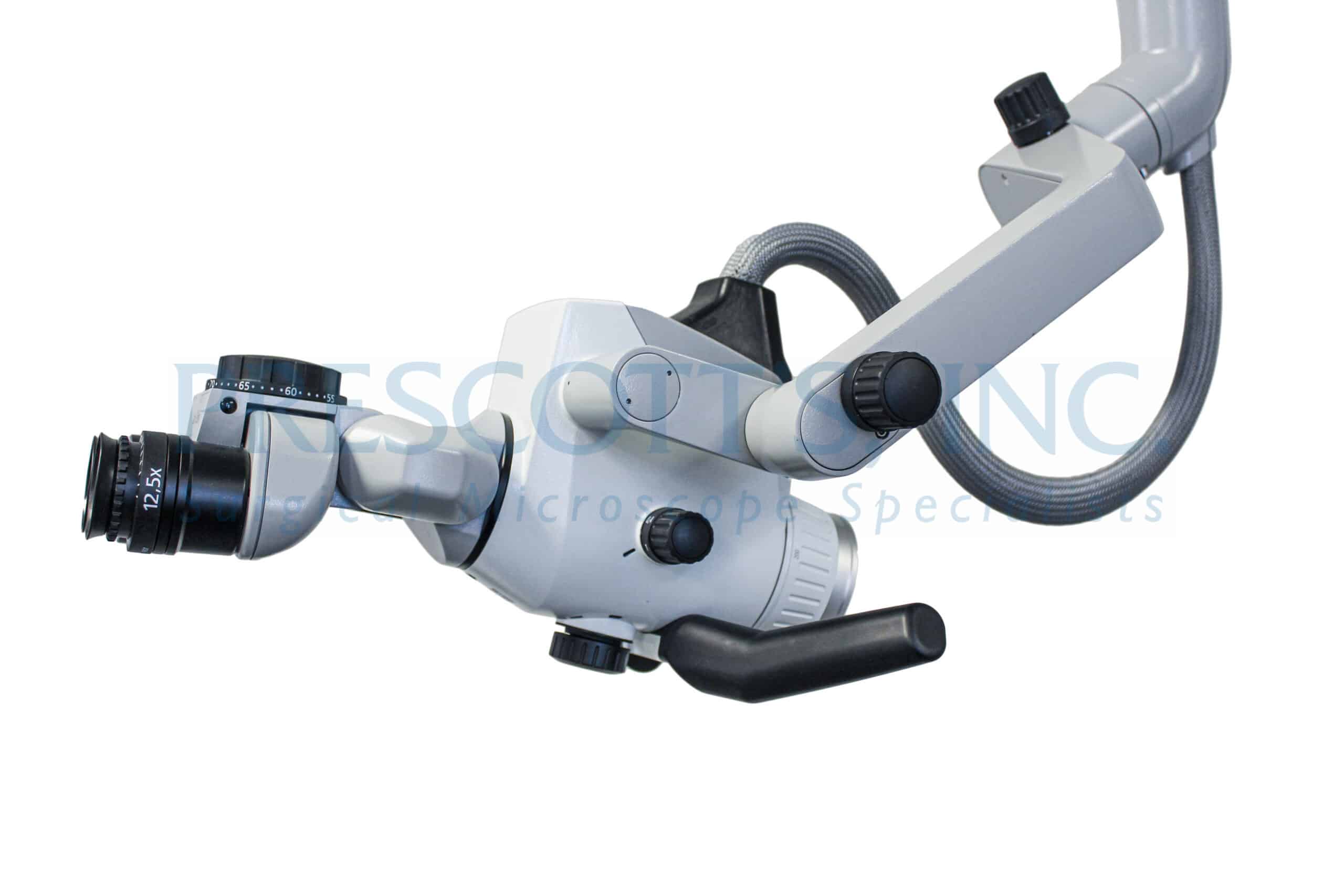
Zeiss's purpose-built dental microscope with up to 25× magnification — reveals hidden canals and root cracks that remain invisible to the naked eye or X-rays. Built-in 4K camera for treatment documentation and sharing diagnostic images with the patient. Cold LED illumination reduces eye strain in long sessions.
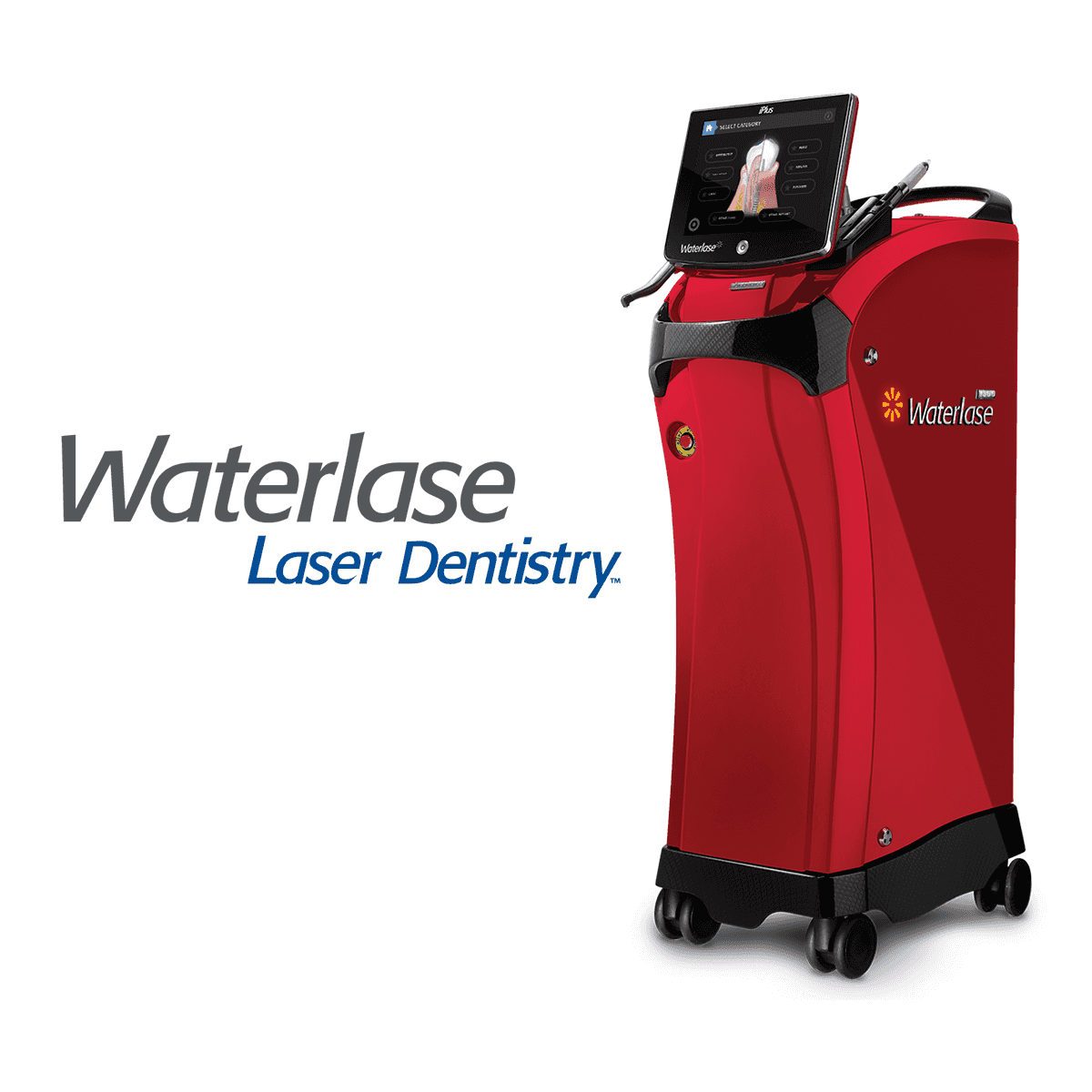
The Biolase Waterlase iPlus all-in-one — combines a hard-tissue laser (bone and dentin) with a soft-tissue laser (gums) in a single water-cooled unit. Among the least patient-discomfort laser systems available; for many gum-contouring and deep-whitening procedures no local anesthetic is required. Reduces healing time and improves haemostasis.
Most dental problems start small and grow quietly — because conventional tools do not catch them early. At AQUA Dent we believe investment in precision equipment is not about impressing patients, it's about sharper diagnoses, tighter execution, and treatments that last longer.
Yes — multiple studies confirm that digital scanners produce more accurate full-arch models compared to silicone impressions, which expand and contract. The difference shows clearly in tight-margin single crowns and multi-unit bridges.
In many cases yes — we digitally scan the teeth, design the crown in Romexis, send it to the PlanMill S30 milling unit, and in 15–20 minutes the crown is ready to seat. Some complex cases or shade-layered zirconia crowns require an additional day for sintering.
A root canal at its apex is narrower than one millimeter — the naked eye cannot see micro-cracks or hidden accessory canals. The Zeiss Extaro at 25× magnification transforms root canal treatment from a near-blind procedure into a precise visual operation. That means better outcomes and fewer complications.
The Er:YAG laser is frequently described as "the least felt" of surgical instruments — it works with short light pulses plus water cooling that dissipates heat. For simple gum-contouring and implant decontamination procedures, most patients require no local anesthetic. For deeper procedures, a smaller-than-usual anesthetic dose is used.
Planmeca is present in scattered major clinics, but owning the full ecosystem — Emerald S + Viso G7 + PlanMill 30 S + Creo + Romexis as one integrated platform — is rare outside large academic hospitals. AQUA Dent is one of the few certified clinical partners in the Jeddah region.
Book a comprehensive exam — includes a digital panoramic X-ray and clinical assessment by the dentist, in one visit.